Messy Paint Mark SVG: An Embroidery Review
As a professional embroidery designer and product reviewer, I approach every new graphic asset with a specific question: will this actually stitch out well, or is it just a pretty picture on a screen? When evaluating the Messy Paint Mark Graphic Element SVG for real-world application, my focus shifts immediately from digital aesthetics to mechanical feasibility. This design falls squarely into the Graphics category within Crafts, but for those of us running a craft business or managing an Etsy shop, its value lies entirely in its translation to thread. After reviewing the vector lines and visual weight, I can see this asset has significant potential for modern apparel and accessories, provided it is digitized with intention.
First Impressions and Visual Personality
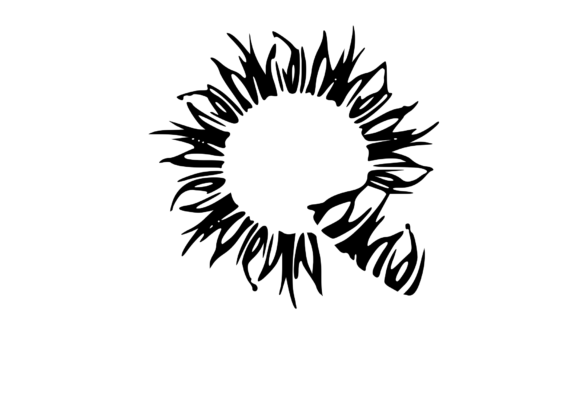
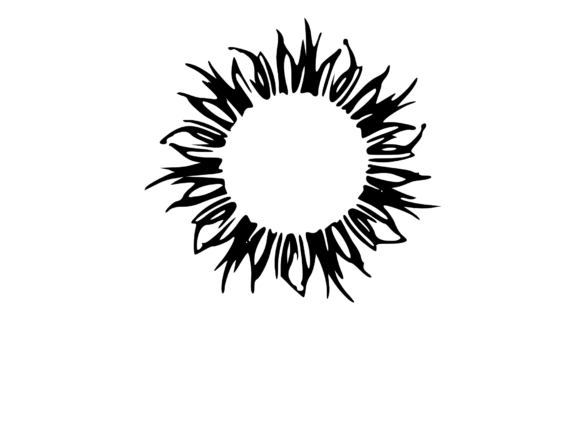
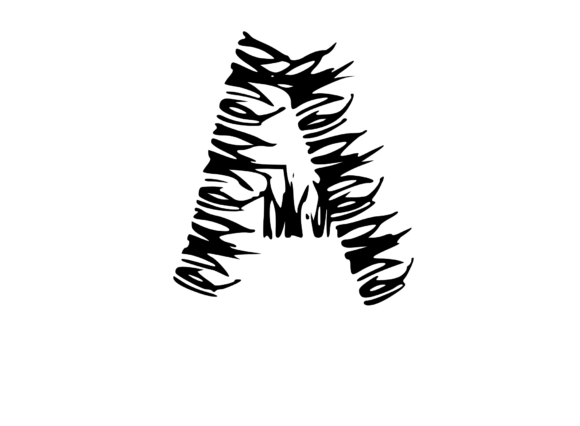
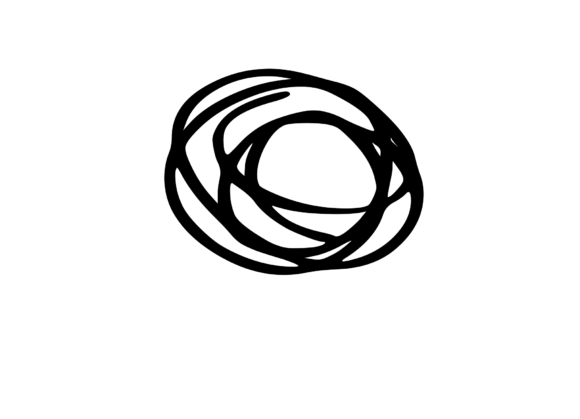
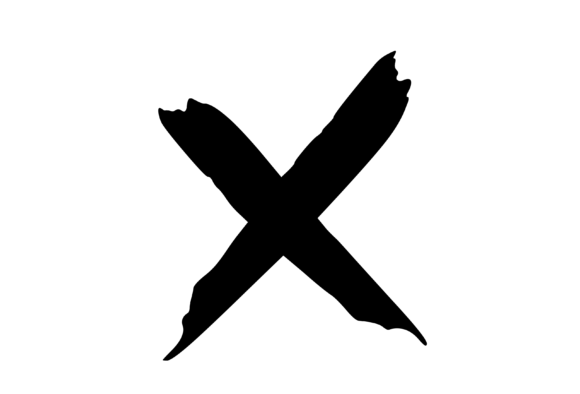
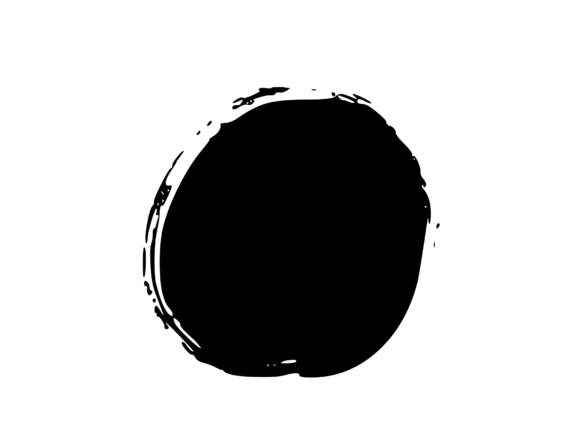
The Messy Paint Mark Graphic Element SVG carries a distinctively raw, artistic energy that is currently trending in boutique merchandise. Unlike rigid, geometric logos, this design offers an organic, hand-painted illusion. For an embroidery project, this "messiness" is actually a strength. Perfectly smooth satin stitches can sometimes look too manufactured or stiff on casual wear. The irregular edges and varied thickness of this paint mark graphic allow for more forgiving digitizing. It creates a mood that feels spontaneous and creative, making it an ideal candidate for personalized gifts targeting artists, teachers, or creative entrepreneurs who want their custom apparel to reflect an authentic, handmade aesthetic.
Real-World Application: The Artist Tote Bag Test
To truly judge this file, I mentally placed it in a recent client scenario: a custom embroidered tote bag for a local art supply store’s rebranding. We needed a design that looked like a splash of color rather than a corporate logo. The Messy Paint Mark Graphic Element SVG was the perfect solution for this tote bag design because the negative space and fluid shape worked with the canvas texture rather than fighting against it.
In this sweatshirt embroidery or tote application, the design serves as a dynamic background element or a standalone accent. Because the shape is abstract, it allows for flexible placement. You can rotate it to fit a curved surface like a cap or stretch it across the yoke of a baby embroidery onesie without distorting the intended look. For small shop products, this versatility is gold. It means one digital embroidery file can be adapted for aprons, pillow covers, and holiday embroidery items without needing three separate digitizing sessions. The visual personality remains consistent, reinforcing brand recognition across different merchandise types.
Digitizing Considerations and Stitch Types
While the SVG source is clean, converting it into a machine embroidery design requires careful decision-making regarding stitch types. A common mistake with paint-style graphics is attempting to replicate every pixel with dense fill stitch. This leads to bulletproof patches that pucker lightweight fabrics. Instead, I recommend interpreting the Messy Paint Mark Graphic Element SVG through a mix of techniques.
- Satin Stitch Edges: Use variable-width satin stitches for the outer boundaries to mimic the wet edge of a paint stroke. This defines the shape without excessive density.
- Running Stitch Details: For internal texture or thinner splatters, utilize running stitches or bean stitches. This reduces stitch count significantly and maintains fabric drape, which is crucial for baby clothes and thin t-shirts.
- Applique Design Potential: Given the bold, solid areas of this graphic, it is an excellent candidate for an applique design. Using fabric to fill the main body of the paint mark reduces thread usage and adds a tactile, mixed-media dimension that customers love.
- Fabric Texture Interaction: On textured fabrics like linen tea towels or fleece blankets, the "messy" nature of the design helps hide minor registration shifts that would be glaring in a precise monogram.
Navigating Technical Challenges and Limitations
No design is universal, and the Messy Paint Mark Graphic Element SVG requires caution in specific contexts. If you are working with small hoop sizes, you must simplify the vector nodes before digitizing. Tiny paint splatters that look charming on a monitor will turn into thread nests or disappear entirely when scaled down below two inches. Always inspect small details and remove elements that cannot be rendered clearly with needle and thread.
Stretchy fabrics present another challenge. Because this design covers a moderate surface area, improper stabilization will cause tunneling. You must use the correct stabilizer—likely a cutaway for knits and a tear-away for wovens—to support the stitch density. Additionally, consider thread colors carefully. While the graphic implies multiple colors, a single-color version often stitches faster and looks more sophisticated on commercial embroidery projects. However, if using high contrast threads on dark fabric, ensure your underlay is sufficient to prevent the fabric grain from showing through the stitches.
Commercial Viability and Customer Perception
For Etsy sellers and handmade shop owners, the perceived value of a finished product hinges on execution. A poorly digitized paint mark looks like a mistake; a professionally executed one looks like art. When using this asset for boutique branding or printable mockups, ensure the digital preview accurately represents the stitched reality. Customers trust sellers who show realistic expectations. If you are selling the digital embroidery file itself, provide clear notes on recommended fabric weights and stabilizer choices. This level of detail builds authority and reduces customer service inquiries.
Furthermore, verify the licensing terms associated with the Messy Paint Mark Graphic Element SVG before listing any finished product or digital asset for sale. Confirm whether the license permits commercial embroidery, digital resale, or both. Protecting your business starts with respecting intellectual property. When used correctly and legally, this graphic enhances buyer engagement by offering something visually distinct from the saturated market of standard clipart.
Practical Designer Notes for Success
Before committing this design to a final run, adhere to these professional best practices to ensure quality and consistency:
- Test on Scrap Fabric First: Never stitch a new design directly onto a sellable item. Run a test on similar material to check tension, density, and overall feel.
- Check Thread Color Contrast: View your thread palette in natural light. What looks good on a backlit screen may lack definition on physical fabric.
- Review Stitch Density: Ensure the design isn't too heavy for the intended garment. Adjust density settings in your software if the fabric puckers during the test run.
- Confirm Hoop Size Compatibility: Verify the design dimensions fit comfortably within your machine’s maximum embroidery area with adequate margin for hooping.
- Mockup Validation: Create black and white mockups to assess value contrast independent of color. If the design reads well in grayscale, it will likely succeed in thread.
- Licensing Audit: Double-check permissions for both personal and commercial use before marketing any derived works.
The Messy Paint Mark Graphic Element SVG is more than just a decorative file; it is a versatile tool for makers who understand the intersection of digital art and textile craftsmanship. By approaching it with technical respect and creative flexibility, you can transform this graphic into standout merchandise that resonates with customers and elevates your portfolio. Whether you are creating a personalized gift or scaling up production for a craft fair, success lies in honoring the medium of embroidery while leveraging the unique character of this design asset.