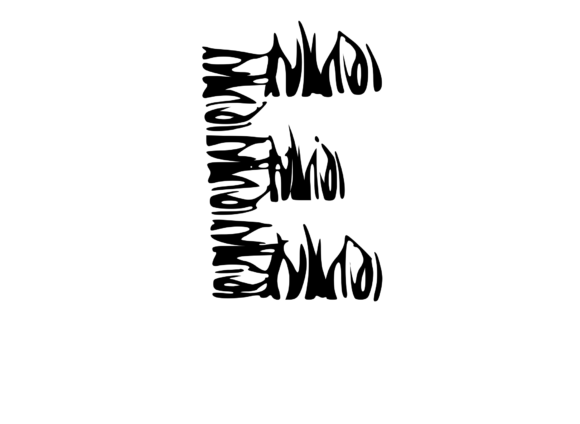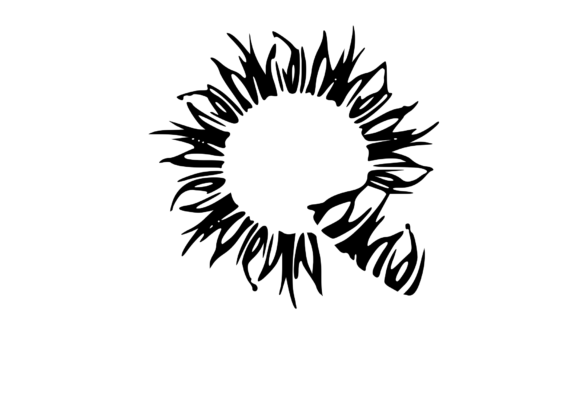
Lush Grass Effect Mono Q: An Embroidery Review
First Impressions of Organic Typography
As a designer who has digitized and tested thousands of fonts, my first reaction to Lush Grass Effect Mono Q was one of cautious optimism. In the world of Crafts and digital Graphics, it is easy to find novelty fonts that look stunning on screen but become a nightmare when translated into thread. However, this design immediately struck me as something different. It possesses a visual texture that mimics natural growth rather than rigid geometry. The letterform does not just sit on the fabric; it feels like it emerges from it.
For embroidery professionals and Etsy sellers, this distinction matters. We are not just selling letters; we are selling tactile experiences. When I loaded this machine embroidery design into my software, the organic flow of the strokes suggested a versatility that standard block letters lack. It creates an immediate mood of cottagecore warmth, botanical elegance, or rustic charm without needing additional floral clipart. For a personalized gift or boutique branding, this font carries its own decorative weight, reducing the need for extra embellishments that add stitch count and production time.
Real-World Application: The Linen Tote Test
To truly evaluate Lush Grass Effect Mono Q, I moved past the digital preview and set up a real-world scenario. My current client project involves a line of premium linen tote bags for a local farmers' market vendor. They needed a monogram that felt "grown" rather than "printed." This was the perfect stress test.
I selected a natural oatmeal-colored linen, which presents specific challenges due to its open weave and textured surface. Using a medium-weight cutaway stabilizer and a sharp needle, I stitched out the Q. The result was surprisingly cohesive. Because the design mimics grass blades, the slight irregularities inherent in stitching actually enhanced the aesthetic. Where a crisp satin stitch might have looked too industrial against the rustic linen, the varied texture of this font harmonized with the fabric texture.
From a business perspective, this is where value is created. A customer picking up this tote bag design at a craft fair isn't analyzing stitch density; they are feeling the quality. The Lush Grass effect provided enough visual complexity to justify a higher price point than a standard initial, yet it stitched out efficiently enough to maintain healthy profit margins for a small shop product. It transformed a simple utility item into a piece of wearable art.
Navigating Fabric Choices and Stabilization
While my linen test was successful, experienced makers know that no single embroidery file performs identically across all substrates. If you plan to use Lush Grass Effect Mono Q for custom apparel or baby embroidery, you must adjust your approach based on the material.
- Stretchy Knits and Sweatshirts: When applying this to sweatshirt embroidery or baby onesies, the organic lines can distort if the fabric shifts. You must use a high-quality fusible mesh stabilizer and consider a temporary spray adhesive. The goal is to keep the "grass" blades aligned so they don't look messy after washing.
- Dark Fabrics: This design relies heavily on internal detail and negative space. On black or navy fabrics, ensure your thread colors offer extreme contrast. Pastel greens or creams work beautifully, but mid-tones may get lost. Always run a contrast check before committing to a full production run.
- Sheer and Lightweight Materials: Be cautious when using this on voile or light cotton for holiday embroidery or nursery decor. The varying stitch density required to create the lush effect could cause puckering or tearing. Test on scrap fabric first, and consider scaling the design up slightly to distribute tension more evenly.
For those creating embroidered patches, this font is a standout choice because the textured fill hides the seam allowance better than smooth satin columns. However, verify that your hoop size accommodates the full height of the character without requiring re-hooping, as realigning organic shapes is notoriously difficult.
Commercial Viability for Makers and Sellers
For the Etsy seller or creative entrepreneur, Lush Grass Effect Mono Q offers distinct commercial advantages. In a saturated market, differentiation is key. This font allows you to offer personalization that looks hand-painted or illustrated rather than computer-generated. This perception of artistry directly influences buyer engagement and trust.
When listing products featuring this design, your printable mockup should accurately reflect the textured nature of the stitch. Do not use flat vector previews; customers expect the embroidered reality to match the digital promise. Use photos of actual stitched samples on similar fabrics to set accurate expectations. This transparency reduces returns and builds long-term brand loyalty.
Furthermore, consider how this asset fits into your broader catalog. It pairs exceptionally well with botanical applique designs or vintage-style florals. If you sell digital embroidery files, be clear about the intended use. While this SVG is fantastic for crafting, always confirm the specific licensing terms regarding commercial embroidery before selling finished goods or distributing the digitized files themselves. Protecting your business means respecting intellectual property while maximizing the utility of your design assets.
Technical Considerations and Designer Notes
Before you thread your machine, take note of these practical observations derived from testing Lush Grass Effect Mono Q:
- Check Stitch Type: Determine whether your specific version of this file uses complex fills or layered running stitches. This dictates your needle choice. Sharp needles are generally superior for woven fabrics to pierce cleanly through the dense areas, while ballpoints are necessary for knits to avoid cutting fibers.
- Scale Sensitivity: Organic textures often have a minimum viable size. Shrinking this design too much to fit a tiny collar or cuff may cause the "grass" details to merge into a solid lump. Consult the digitizer’s recommended size range and stick to it.
- Thread Weight Matters: Standard 40wt polyester or rayon is usually ideal. However, if you want a softer, more matte finish that enhances the natural vibe, try 30wt cotton thread. Avoid metallic threads unless you have tested them extensively, as the friction in detailed fill areas can lead to breakage.
- Mockup Testing: Before launching a new collection, create black and white mockups alongside color versions. This helps you evaluate the tonal balance of the design independent of color bias. If the design reads clearly in grayscale, it will likely be legible and attractive in any colorway.
Ultimately, Lush Grass Effect Mono Q is more than just a pretty letter; it is a functional tool for elevating handmade products. Whether you are decorating a kitchen towel, branding a boutique, or creating a cherished finished product for a client, this design brings a level of organic sophistication that standard typography cannot match. By understanding its technical requirements and best-use scenarios, you can confidently integrate it into your workflow, ensuring that every stitch contributes to a professional, high-value result. Remember to always test, stabilize appropriately, and respect the unique characteristics of both the design and your chosen fabric.