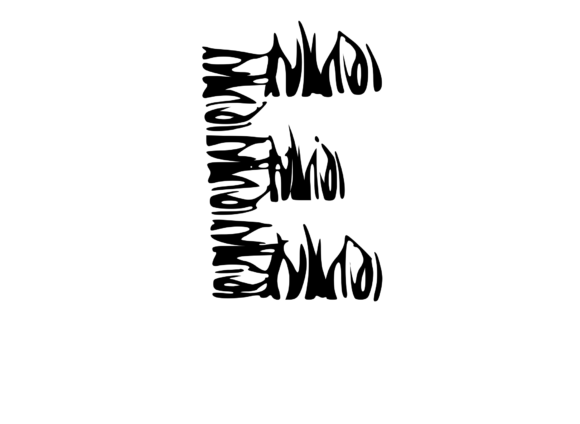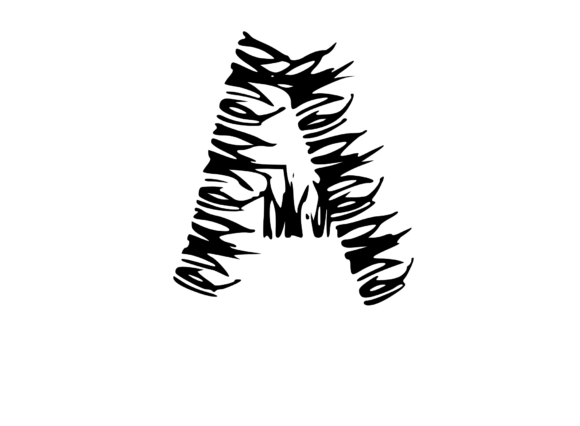
Lush Grass Effect Mono A: An Embroidery Review
As a professional embroidery designer and product reviewer, I approach every new machine embroidery design with a healthy dose of skepticism. The digital preview often tells only half the story; the true test lies in how the file translates from screen to fabric. When evaluating the Lush Grass Effect Mono a, my primary focus was not just its aesthetic appeal as a graphic, but its structural integrity when stitched out on real-world projects. This review breaks down my practical experience testing this design for commercial and personal use, offering honest insight for fellow makers, Etsy sellers, and apparel decorators.
First Impressions: Organic Texture Meets Typographic Structure
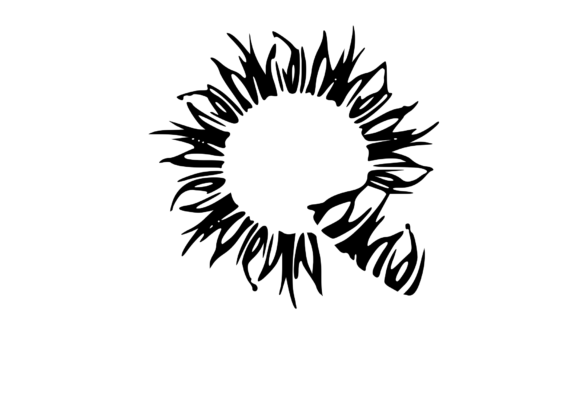
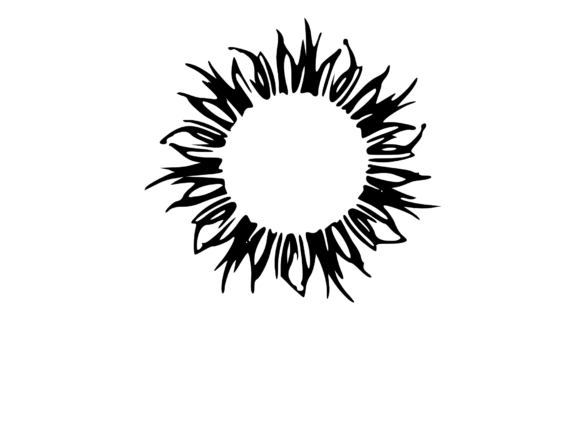
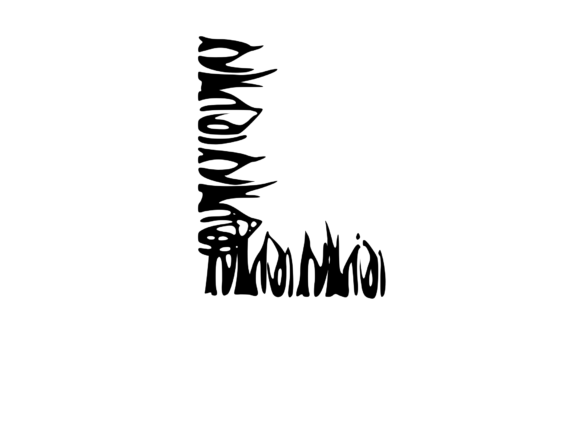
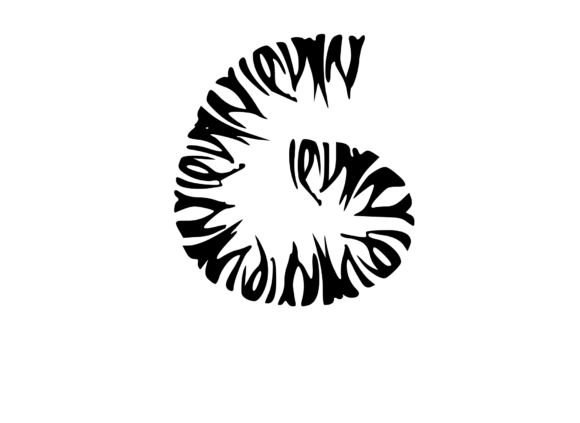
My initial assessment of Lush Grass Effect Mono a revealed a design that bridges the gap between natural illustration and structured lettering. In the realm of Crafts and Graphics, monograms can sometimes feel stiff or overly traditional. This design, however, introduces an organic movement that mimics the irregularity of nature. The "grass effect" implies a specific textural quality—likely achieved through varying stitch lengths or directional changes in the digitizing—that prevents the letterform from looking like a flat block of ink.
For a designer, this texture is promising. It suggests depth and dimensionality that standard satin stitch borders often lack. However, texture in embroidery is a double-edged sword. While visually striking, it demands precise tension and appropriate stitch density. My first impression was that this would be a standout piece for brands wanting to convey an earthy, handmade, or botanical vibe, provided the digitization supports those intricate details without causing puckering on lighter fabrics.
Real-World Application: Stitching a Botanical Tote Bag
To truly evaluate Lush Grass Effect Mono a, I moved beyond the software simulation and prepared a custom embroidered tote bag project. Canvas totes are a staple for any craft business or small shop product line because they offer a stable, forgiving surface for testing complex designs. I selected a natural, unbleached 12oz canvas to see how the grass texture would interact with a visible fabric texture.
The stitching process confirmed that this design thrives on stability. Because the grass effect likely utilizes directional fills or textured fill stitch patterns, the needle penetration was significant. On the tote bag, the result was lush and tactile. The monogram didn't just sit on top of the fabric; it felt integrated into the material. This is exactly what customers look for in high-end handmade products. If you are creating personalized gifts or boutique merchandise, this level of physical engagement adds perceived value that smooth, flat embroidery cannot replicate. The design successfully transformed a generic blank into a premium-feeling item suitable for garden centers, florists, or eco-conscious lifestyle brands.
Best Use Cases for Commercial and Personal Projects
Based on my testing, Lush Grass Effect Mono a performs exceptionally well in specific contexts where texture enhances the narrative of the product:
- Garden and Outdoor Apparel: This is the ideal candidate for aprons, caps, and workwear. The organic theme aligns perfectly with landscaping businesses, plant shops, or outdoor enthusiasts.
- Nursery and Baby Items: For baby embroidery on blankets or bibs, the softness of the grass effect feels gentler than sharp, geometric fonts. Always ensure the back is smooth against sensitive skin.
- Seasonal Home Decor: Pillow covers and tea towels benefit greatly from this style. It adds a seasonal touch for spring and summer collections without being overtly cliché.
- Eco-Friendly Branding: For Etsy sellers focusing on sustainability, this typography reinforces a connection to nature better than standard block letters.
- Patches and Labels: As an embroidered patch, the dense texture holds up well to wear and tear, making it excellent for branding on denim jackets or backpacks.
Critical Considerations: Where to Exercise Caution
No digital embroidery file is universally perfect. During my review, I identified several scenarios where Lush Grass Effect Mono a requires careful handling or should be avoided entirely.
Stretchy and Thin Fabrics: The density required to create a "lush" effect means this design carries weight. On lightweight knits or performance tees, even with heavy stabilizer, there is a risk of distortion or heaviness that drags the garment down. I would avoid using this on sheer organza or thin silk unless heavily modified.
Small Hoop Sizes: Textured effects rely on detail. Scaling this design down to fit a 4x4 hoop or smaller may cause the grass blades to merge into an indistinguishable mass. Before committing to a small format, verify that the embroidery file retains clarity at reduced sizes. If the details vanish, opt for a simpler font.
High-Pile Fabrics: While great on canvas, stitching this directly onto terry cloth towels or fleece can be problematic. The pile can push through the textured stitches, obscuring the grass effect. In these cases, using a water-soluble topping is mandatory, or consider applying the design as an appliqué or patch instead.
Designer Notes for Professional Results
For fellow professionals and hobbyists integrating Lush Grass Effect Mono a into their workflow, adhere to these best practices to ensure client satisfaction and product longevity:
- Test on Scrap Fabric First: Never run this design directly on a final product without a test stitch-out. The interaction between the specific thread type and your machine’s tension settings will dictate the final look.
- Verify Thread Color Contrast: Textured stitches rely on light and shadow. Using a variegated thread might actually hide the grass effect by breaking up the visual flow. Solid, matte threads often showcase texture better than high-sheen rayon.
- Check Stabilizer Pairing: Given the potential density, use a cut-away stabilizer for stretchy items and a medium-weight tear-away for woven goods. Do not skimp on stabilization; the registration of textured elements must be precise.
- Review Licensing for Commercial Use: Before listing finished items or selling the digital embroidery file itself, confirm the specific license terms included with Lush Grass Effect Mono a. Protect your business by ensuring you have the right to reproduce this letter commercially.
- Create Accurate Mockups: When designing printable mockups for your shop, do not simply overlay a flat image. Use photos of actual stitch-outs or high-quality 3D renders that capture the texture. Customers need to understand that this is a tactile, dimensional design, not a printed graphic.
Elevating Your Embroidery Portfolio
Lush Grass Effect Mono a is more than just a decorative alphabet; it is a versatile tool for creators who want to differentiate their work in a saturated market. Whether you are producing custom apparel, designing holiday embroidery collections, or expanding your inventory of design assets, this file offers a unique blend of artistry and function. By understanding its strengths in texture and its limitations regarding fabric compatibility, you can leverage this design to create finished products that resonate with buyers seeking authenticity and craftsmanship. Always prioritize testing and technical precision to ensure that the digital promise translates into a beautiful, durable reality.