Rough Hand Drawn Cross: An Embroidery Review
As a professional embroidery digitizer and product reviewer, I approach every new graphic asset with a specific question: will this actually stitch well, or is it just a pretty picture on a screen? When evaluating the Rough Hand Drawn Cross Graphic Element for real-world application, my focus shifts immediately from digital aesthetics to mechanical feasibility. This design falls into the intersection of Crafts and Graphics where artistic intent must meet the physical limitations of thread and fabric. For Etsy sellers, apparel decorators, and makers, understanding how this rough, organic style translates into a machine embroidery design is crucial for avoiding production headaches and ensuring customer satisfaction.
First Impressions: Organic Charm vs. Stitch Reality
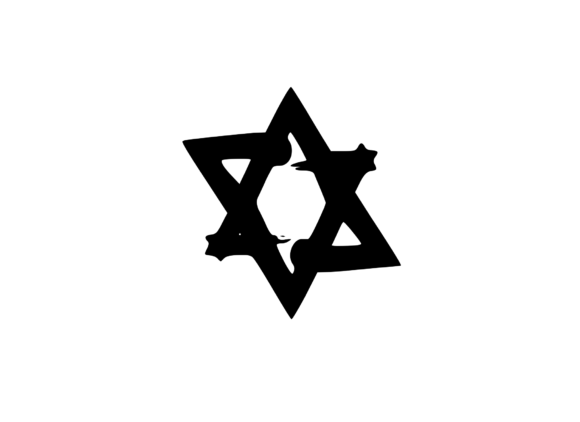
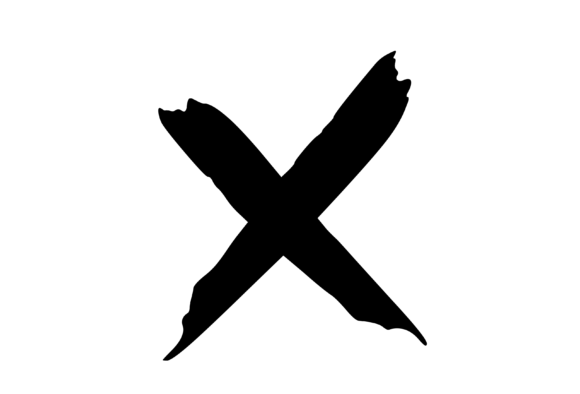
The initial appeal of the Rough Hand Drawn Cross Graphic Element lies in its imperfection. In an era of hyper-clean vector art, this SVG offers a tactile, human quality that resonates with buyers looking for authentic handmade products. Visually, the uneven lines and sketchy texture suggest a sense of heritage, faith, or rustic simplicity. However, as an experienced designer, I see immediate challenges and opportunities. The "roughness" implies variable line weights, which dictates how we approach digitizing. A uniform satin stitch might sterilize the charm of this graphic, while a poorly planned running stitch could look messy rather than artistic. The mood is undeniably warm and personal, making it a strong candidate for personalized gifts and boutique branding, but it demands a thoughtful digitizing strategy to retain that hand-drawn soul without compromising structural integrity.
Real-World Application: The Custom Sweatshirt Test
To truly evaluate this asset, I mentally placed it in a current production scenario: creating a custom embroidered sweatshirt for a small shop product launch. Sweatshirts are high-value items where embroidery flaws are glaringly obvious. Using the Rough Hand Drawn Cross Graphic Element here requires balancing visibility with fabric interaction. Fleece and French terry have significant texture; if the cross design is too delicate or the stitch density is too low, the fabric texture will swallow the design, making it look faded or incomplete.
In this scenario, I would avoid a simple outline. Instead, I envision converting the rough edges into a textured fill stitch or a heavy running stitch with increased length to mimic the hand-drawn aesthetic physically. This approach ensures the cross stands out against the fleece nap. For a tote bag design, the application differs. Canvas is stable and flat, allowing for finer details. Here, the Rough Hand Drawn Cross could serve as a central motif surrounded by smaller text or florals. The key takeaway for craft business owners is that this graphic is versatile, but its execution must adapt to the substrate. What works beautifully on a tea towel may fail on a ribbed knit cap due to the curvature and stretch.
Where Caution is Required in Production
While this graphic element is versatile, there are specific contexts where I advise extreme caution. Small hoop sizes are the first red flag. Reducing a rough, hand-drawn style to a 2-inch area often results in lost definition. The intentional "wobbles" in the line work can register as registration errors or thread breaks when scaled down too aggressively. Always confirm the minimum viable size before committing to baby embroidery or sleeve cuffs.
Stretchy fabrics present another hurdle. If you are applying this to performance wear or thin jersey knits, the irregular shape of the cross can cause puckering if the stabilizer choice isn't precise. The uneven distribution of stitches in a hand-drawn style means tension varies across the design. On dark fabrics, ensure your thread colors provide enough contrast; the subtle shading intended in the digital file might disappear entirely if you use a tonal thread palette. Furthermore, be wary of using this design on items requiring frequent industrial washing, like aprons or kitchen towels, unless the stitch density is reinforced. Decorative running stitches meant to look "sketchy" can snag or unravel over time if not properly locked at the ends.
Impact on Perceived Value and Brand Trust
For creative entrepreneurs and digital product sellers, the way you utilize the Rough Hand Drawn Cross Graphic Element directly influences buyer engagement. Customers associate clean stitching with professionalism. If the final embroidered patch or finished product looks jagged unintentionally, it erodes trust. Conversely, when the rough aesthetic is executed with intentionality—using matte threads, appropriate stabilizers, and correct scaling—it elevates the perceived value of the item. It signals that the maker chose a deliberate style, not a flawed file.
This distinction is vital for Etsy sellers and commercial embroidery businesses. Your listing photos and printable mockups should accurately represent how the design behaves on fabric. If the digital SVG looks soft but the embroidery file produces harsh, dense blocks, customers will feel misled. Consistency between the digital asset and the physical output builds brand recognition. When used correctly, this cross becomes a signature element that ties together a collection of holiday embroidery, nursery decor, or wedding gifts, creating a cohesive visual language that buyers return for.
Practical Designer Notes for Success
Before loading this design into your machine or listing it in your shop, adhere to these practical protocols:
- Test on Scrap Fabric First: Never assume the digital preview equals stitch reality. Run a test sew on the exact fabric and stabilizer combination you intend to use for the final product.
- Verify Licensing and Specs: The product description highlights this as a great choice for artists and crafters, but you must independently verify the license terms regarding commercial use and resale. Additionally, check the provided embroidery file specifications for stitch count and recommended hoop size, as these vary by vendor.
- Evaluate Stitch Density: Inspect the design in your editing software. If the rough lines are represented by dense satin stitches, consider reducing density for lightweight fabrics to prevent bulletproofing. If they are running stitches, check for adequate underlay to prevent sinking into textured materials.
- Contrast Check: View your thread color selections in grayscale or black and white mockups. This reveals whether the design relies too heavily on color differentiation rather than value contrast, which is essential for readability on varied fabric backgrounds.
- Stabilizer Strategy: Match your stabilizer to the fabric weight and the design's stitch type. A rough hand-drawn style often benefits from a cut-away stabilizer on stretchy garments to maintain the organic shape without distortion during wear and washing.
- Mockup Accuracy: If selling digital embroidery files or finished goods, create mockups that reflect the texture of the stitch. Avoid flat, glossy digital renders that misrepresent the matte, tactile nature of embroidery.
The Rough Hand Drawn Cross Graphic Element holds immense potential for makers who value character over perfection. It bridges the gap between digital convenience and handmade warmth. However, its success relies entirely on the user's technical judgment. By respecting the relationship between the graphic's organic lines and the mechanical nature of embroidery, you can transform this SVG into a profitable, beautiful asset for your craft business. Whether you are designing a meaningful personalized gift or expanding your commercial embroidery catalog, let practical testing guide your creative decisions. The result will be a product that stands out not just for its style, but for its undeniable quality.