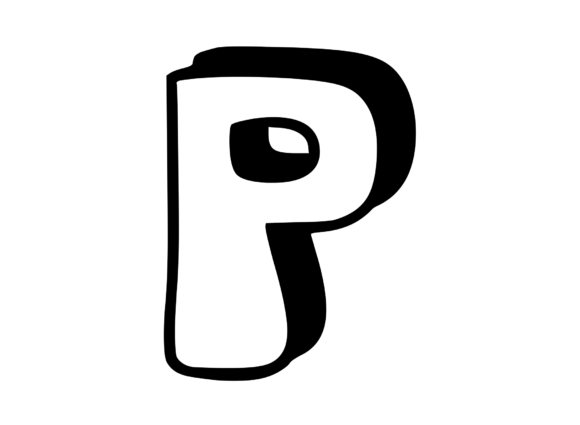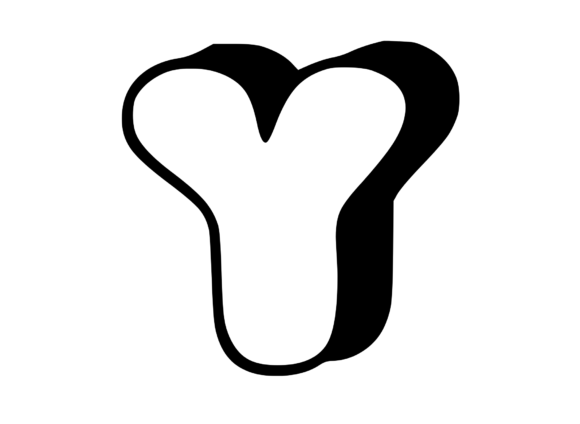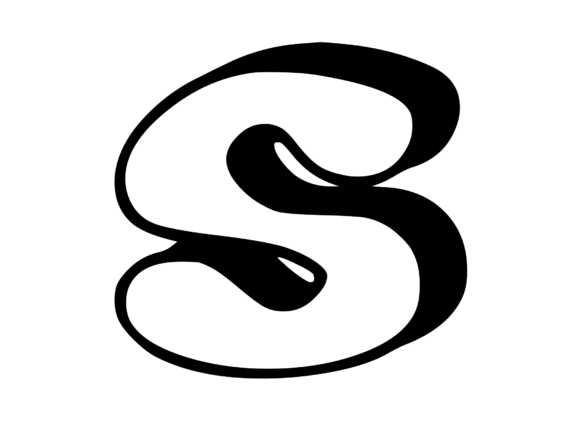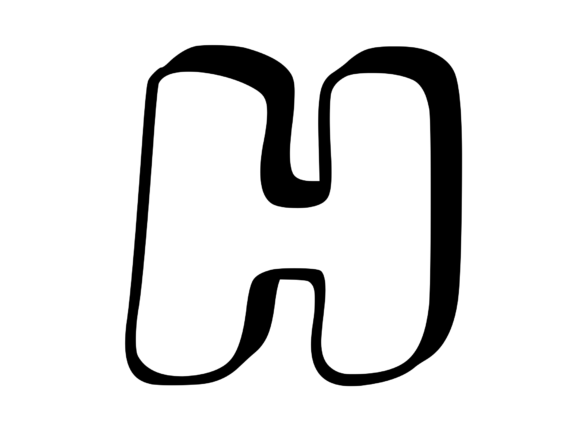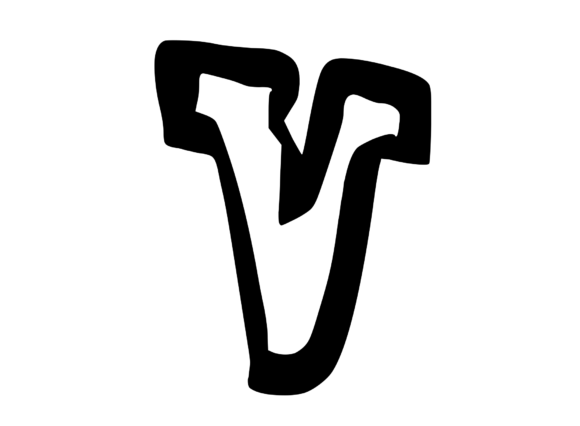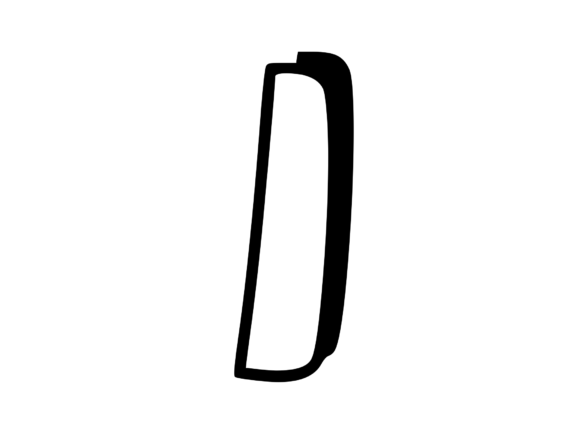
Friendly Shaded Comic Hand Drawn Mono I Review
As a professional embroidery designer who spends countless hours digitizing and testing files before they ever touch a customer’s garment, I approach every new graphic with a healthy dose of skepticism. When I first opened Friendly Shaded Comic Hand Drawn Mono I, I wasn't just looking for a cute aesthetic; I was evaluating stitchability. The market is flooded with generic clipart, but this design stands out because it bridges the gap between digital artistry and tangible craft. It carries a distinct hand-drawn personality that translates beautifully into thread, provided you understand how to leverage its shaded comic style effectively.
First Impressions: Visual Personality and Stitch Potential
The immediate mood of Friendly Shaded Comic Hand Drawn Mono I is approachable yet sophisticated. Unlike rigid, auto-digitized vectors, this graphic retains the organic imperfections of hand illustration. For those of us in the Crafts category, specifically creating Graphics for textile application, this is crucial. The "mono" aspect suggests a monochromatic or limited color palette, which is a massive advantage for production efficiency. However, the "shaded" descriptor implies depth that must be interpreted correctly during digitization or file preparation.
Visually, the design feels nostalgic and warm. It avoids the sterile look of mass-produced merchandise, making it an ideal candidate for makers who want their work to feel bespoke. As a reviewer, I appreciate that the lines appear confident but not overly thick, suggesting that if converted into a machine embroidery design, it would rely on a mix of running stitches for detail and strategic fill stitches for shading rather than heavy, bulletproof satin columns that can distort fabric.
Real-World Application: The Custom Tote Bag Test
To truly evaluate this asset, I mentally placed it in a real-life production scenario: a custom canvas tote bag for a local bookstore collaboration. This is a classic use case where Friendly Shaded Comic Hand Drawn Mono I could shine or fail based on execution. Canvas is textured and unforgiving; intricate details can get lost, and dense stitching can cause puckering.
In this scenario, the hand-drawn nature of the design works in our favor. If the registration shifts slightly due to the fabric texture, the organic lines forgive the error better than perfect geometric shapes would. I envision using this as a centerpiece tote bag design where the mono shading creates visual interest without requiring twelve different thread changes. For an Etsy seller or small shop owner, this efficiency is profit. You can produce a high-value handmade product that looks complex to the buyer but remains streamlined in your production workflow.
Furthermore, consider the end user. A customer buying a literary-themed tote wants something that feels artistic, not corporate. This design delivers that emotional connection. It transforms a simple utility item into a piece of wearable art, increasing the perceived value of the finished product significantly compared to standard text-only embroidery.
Navigating Fabric Choices and Technical Constraints
While versatile, Friendly Shaded Comic Hand Drawn Mono I requires thoughtful placement. Not all substrates are created equal when dealing with shaded, illustrative styles.
- Textured Fabrics: On linen or canvas, the shading may need to be simplified. Too much detail in a fill stitch area will compete with the weave of the fabric. Consider increasing stitch length or reducing density to let the fabric breathe.
- Stretchy Knits: If applying this to a sweatshirt or baby onesie, stabilization is non-negotiable. The hand-drawn lines likely include directional changes that can push fabric out of shape. Use a cut-away stabilizer and potentially a topping to prevent the stitches from sinking into the fleece or jersey.
- Dark vs. Light Backgrounds: Since this is a "mono" shaded design, contrast is everything. Test your thread colors against both light and dark fabrics. A grey shade that looks subtle on white might disappear entirely on navy. You may need to adjust the underlay or add a white base layer beneath the shading to maintain definition on darker garments.
- Small Hoop Sizes: Be cautious when scaling down. Hand-drawn details often contain fine lines that do not survive extreme reduction. If you plan to use this on a cap or pocket, verify that the smallest elements remain legible at your target size. If they vanish, edit the file to remove micro-details rather than risking a muddy stitch-out.
Commercial Viability for Makers and Sellers
For creative entrepreneurs, time is money. Friendly Shaded Comic Hand Drawn Mono I offers excellent commercial potential because of its versatility. It fits seamlessly into multiple niches: nursery decor, personalized gifts, holiday embroidery, and boutique branding. Because it is an SVG-based graphic origin, it scales infinitely for printable mockups, allowing you to market the design digitally before committing to physical sampling.
However, professionalism dictates verification. Before listing any item featuring this design, confirm your licensing rights. Ensure you are permitted to sell finished items or if the license restricts usage to personal projects only. Additionally, always test the embroidery file conversion personally. Never trust an auto-digitize feature blindly with a shaded illustration. The nuance of the "friendly" aesthetic lies in the stitch direction and density mapping, which requires human oversight to preserve the artist's original intent.
Designer Notes for Optimal Results
If you decide to bring Friendly Shaded Comic Hand Drawn Mono I into your studio, follow these practical steps to ensure success:
- Test on Scrap First: Never run a new design directly on a client’s garment. Stitch it out on a similar weight scrap fabric to check tension and clarity.
- Evaluate Density: Check if the shaded areas are too dense for your chosen material. If the fabric is tunneling, reduce the density or increase stitch spacing.
- Mockup in Black and White: View the design in grayscale to ensure the values read correctly without relying on color contrast alone. This ensures the image holds up even in single-color embroidery.
- Stabilizer Selection: Match your stabilizer to the fabric, not just the design. Woven fabrics generally need tear-away; knits need cut-away. The wrong choice will ruin the crispness of those hand-drawn lines.
- Check Licensing: Re-read the terms for Friendly Shaded Comic Hand Drawn Mono I specifically regarding commercial embroidery and digital redistribution to protect your business.
Ultimately, this design is a strong contender for makers who value character over perfection. It demands a bit more technical mindfulness than a simple block font, but the payoff is a unique, soulful product that resonates with buyers tired of cookie-cutter crafts. Whether you are embellishing a baby blanket or launching a new apparel line, treating this graphic with the respect due to hand-drawn art will yield professional, sellable results.