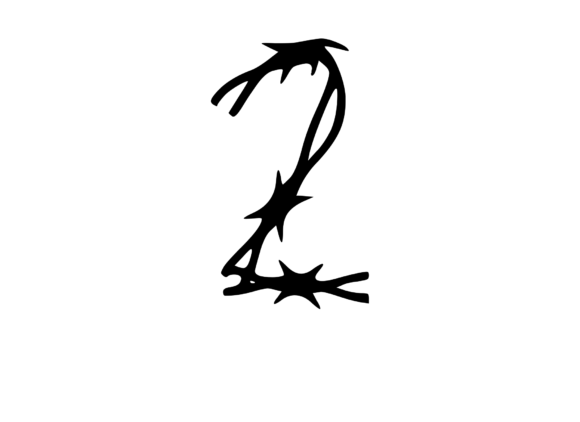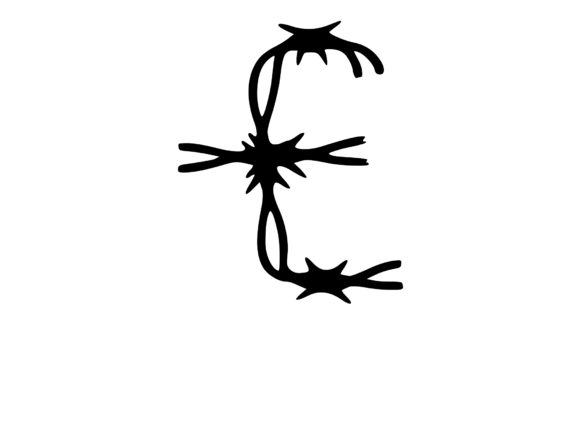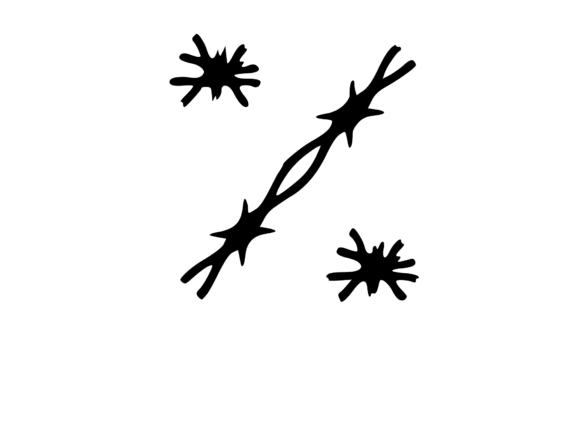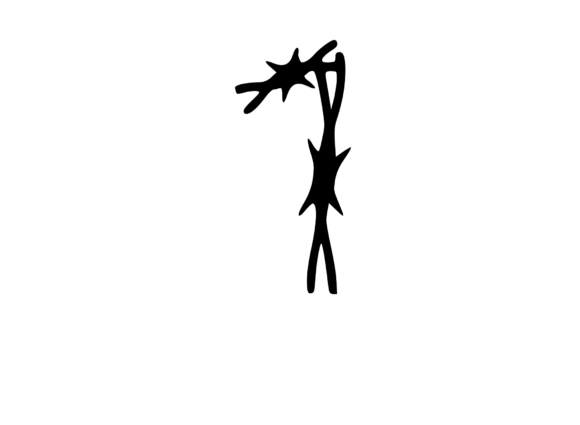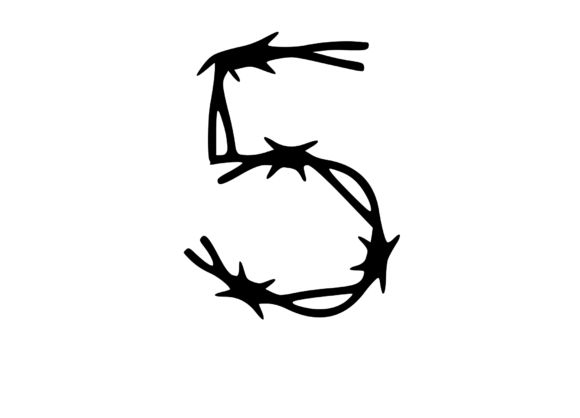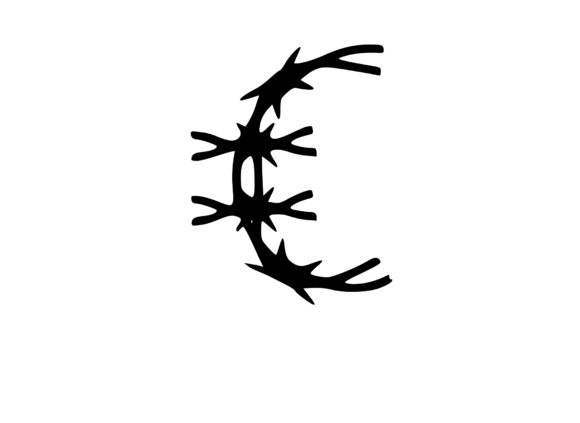
Sharp Barbed Security Wire Mono €: A Stitch Test
When evaluating a new machine embroidery design for professional or commercial use, the first question is never just about aesthetics; it is about structural integrity and marketability. As a designer who regularly reviews digital assets for real-world application, I approached the Sharp Barbed Security Wire Mono € with a critical eye. This graphic sits in the intersection of industrial edge and artistic expression, making it a unique candidate for specific niches within the Crafts category. My assessment focuses on how this SVG translates from a screen-based vector to a tangible, stitched reality, specifically considering the demands of small business owners and apparel decorators.
First Impressions: Industrial Edge Meets Stitch Logic
The visual personality of Sharp Barbed Security Wire Mono € is immediate and assertive. Unlike floral or traditional motifs, this design carries a raw, utilitarian mood that appeals to streetwear brands, tactical gear customizers, and alternative fashion labels. The "Mono" designation suggests a monochromatic or single-weight line art style, which is excellent for versatility but requires careful scrutiny regarding stitch density. In my initial review of the file structure, I looked for clean node placement. For a barbed wire motif, the danger lies in jagged digitizing that mimics the subject matter too literally; actual stitches need smooth transitions to prevent thread breaks, even if the visual theme is sharp.
This design feels purpose-built for high-contrast applications. It does not rely on shading or complex color blending, which makes it an ideal candidate for both custom apparel and merchandise where production speed matters. However, because the theme is inherently aggressive, it demands a confident placement. It is not a background filler; it is a statement element that dictates the tone of the entire handmade product.
Real-World Application: The Distressed Sweatshirt Test
To truly understand the viability of Sharp Barbed Security Wire Mono €, I mentally prototyped it for a current trend: a heavyweight, distressed cotton sweatshirt intended for an Etsy listing. In this scenario, the design serves as a central chest graphic or an oversized back print. The goal was to determine if the wire motif would read clearly against a textured fleece background.
For this sweatshirt embroidery project, the linear nature of the wire allows for efficient stitching paths. If the file is optimized correctly, it should utilize running stitch or narrow satin stitch columns rather than heavy fill areas. This is crucial for maintaining the garment's drape. Heavy, dense patches on sweatshirts can create bulletproof vests that customers find uncomfortable. The Sharp Barbed Security Wire Mono € appears designed to avoid this pitfall by embracing negative space.
From a sales perspective, this specific aesthetic targets a demographic that values authenticity over polish. When creating a printable mockup for your shop, this design photographs exceptionally well on dark charcoal, black, or olive drab fabrics. The contrast creates instant visual recognition in thumbnail images, which is vital for click-through rates. For Etsy sellers and small shop product lines, this means the design has built-in marketing strength. It communicates a niche vibe instantly, reducing the need for excessive descriptive text.
Navigating Fabric Variables and Hoop Limitations
While the design shows promise, experienced makers know that execution depends entirely on the substrate. Sharp Barbed Security Wire Mono € presents specific challenges when moved away from stable cottons.
- Stretchy and Thin Fabrics: Because barbed wire designs often involve long, continuous lines, they are prone to distortion on knits or jersey. If you are attempting baby embroidery or lightweight tees, you must verify the stabilizer strategy. A cut-away stabilizer is likely mandatory to prevent the wire from warping after washing. Without adequate support, the "sharp" lines will look wobbly and unprofessional.
- Textured Surfaces: On terry cloth towels or nubby linen, fine details can get lost. If the wire barbs are digitized as tiny satin stitches, they may sink into the pile. In these cases, testing on scrap fabric is non-negotiable. You may need to add a topping or increase column width slightly to ensure the design sits atop the fabric texture.
- Curved Geometry: Applying this to caps or curved tote bags requires checking the hoop size compatibility. Linear horizontal designs sometimes distort when wrapped around a cylindrical cap frame. Ensure the aspect ratio fits your specific equipment before committing to a production run of embroidered patches or headwear.
Commercial Viability and Brand Consistency
For creative entrepreneurs, the value of a digital embroidery file extends beyond a single project. Sharp Barbed Security Wire Mono € offers strong potential for brand consistency across different media. Because it is provided as an SVG, it scales infinitely for vinyl cutting, screen printing, or laser engraving, allowing you to match your embroidery project with other merchandise like stickers or packaging.
However, professionalism hinges on licensing and technical verification. Before listing any finished product for sale, confirm the commercial usage rights associated with this specific asset. Additionally, check the included file formats. While the source is SVG, your machine needs PES, DST, JEF, or similar. Never assume auto-conversion software will preserve the integrity of sharp corners and barbs; manual digitizing adjustments are often required when converting vectors to stitches.
Customer trust is built on quality. If you use this design for personalized gifts or boutique branding, the stitching must be crisp. Frayed edges or misaligned barbs undermine the perceived value of the item. This design rewards precision; it looks intentional and high-end when executed perfectly, but sloppy when rushed.
Designer Notes for Optimal Results
Based on my evaluation of similar industrial-style graphics, here are practical steps to ensure success with Sharp Barbed Security Wire Mono €:
- Contrast Testing: Always test thread colors against your chosen fabric. White wire on grey fabric might disappear in photos. High contrast ensures the design pops in both person and in digital listings.
- Density Check: Open the file in your editing software to inspect density. If the barbs are too dense for your fabric, reduce the density or switch to a lighter stitch type to prevent puckering.
- Mockup Validation: Create black and white mockups alongside color versions. This helps identify if the design relies too heavily on color contrast rather than structural clarity.
- Wash Test: For items like tote bag designs or aprons that face frequent laundering, wash your test sample. Barbed wire motifs can snag if top threads are loose; ensure proper tension and locking stitches at all start/stop points.
- Licensing Review: Explicitly verify if you can sell the digitized file itself or only the physical embroidered goods. Protect your craft business by adhering strictly to the creator's terms.
Ultimately, Sharp Barbed Security Wire Mono € is a specialized tool for the maker’s arsenal. It is not a universal clip-art staple, but a targeted design asset for those cultivating a distinct, edgy aesthetic. By respecting the technical requirements of stitching linear, aggressive shapes and matching them to appropriate products, you can transform this digital graphic into a profitable, standout commercial embroidery offering. Approach it with technical discipline, and it will serve as a bold signature piece in your portfolio.